
Sharing research and insights with audiences who care about the future of technology and society.
I regularly speak, present, and appear in media to translate the intersections of privacy, surveillance, and data governance into ideas that resonate beyond academia.
Below are selected lectures, podcast appearances, interviews, and media mentions — and I’m always open to new speaking engagements or partnerships.

Talks that bring complex ideas to life and make technology more understandable for everyone.
.png)
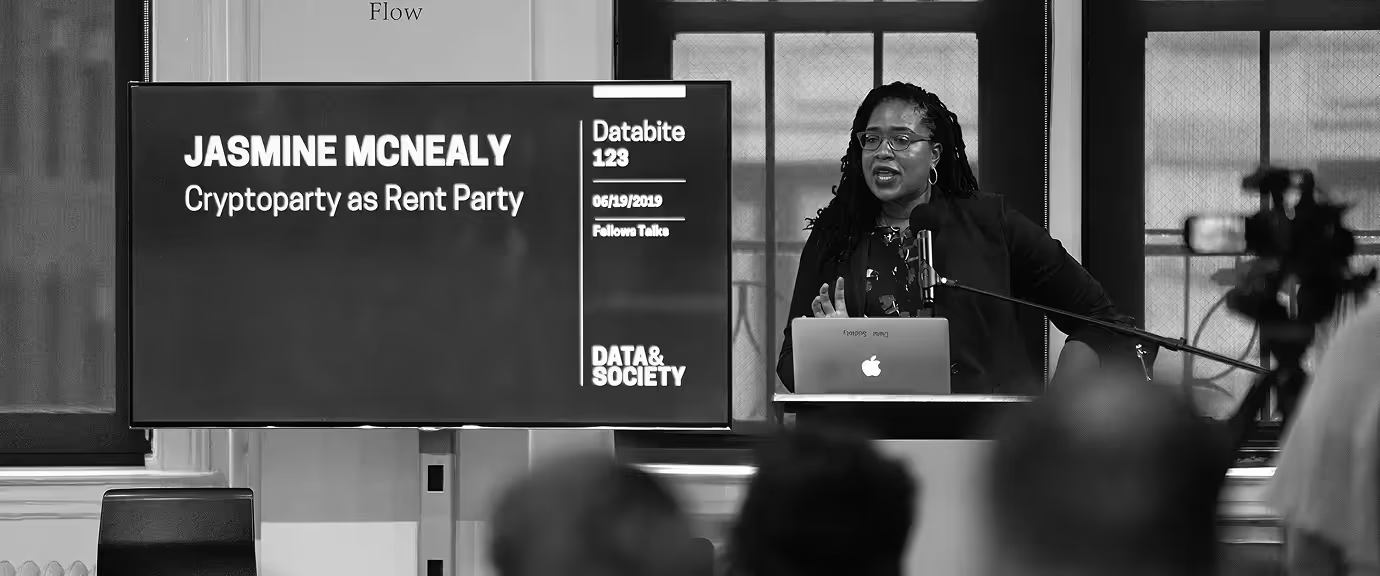
Cryptoparty as Rent party
Join Data & Society this June for three lively lightning talks based on the culminating work of our 2018-2019 fellows cohort. Each Wednesday, we will discuss provocative questions emerging from a year of deep work on themes ranging from criminal justice data, to creative approaches to artificial intelligence.
.png)
Trust
Jasmine McNealy presents Trust at the BKC IGNITE 2019 talks.

An Ecological Approach to Data
Dr. McNealy traces these conflicts to our perception of data as a singular piece of property. A better metaphor for data would be that of a networked representation or observation in an ecosystem. Dr. McNealy argues that we require an ecological approach for understanding this era of emergent technology and data–both for creating adequate policy, and for protecting the vulnerable.
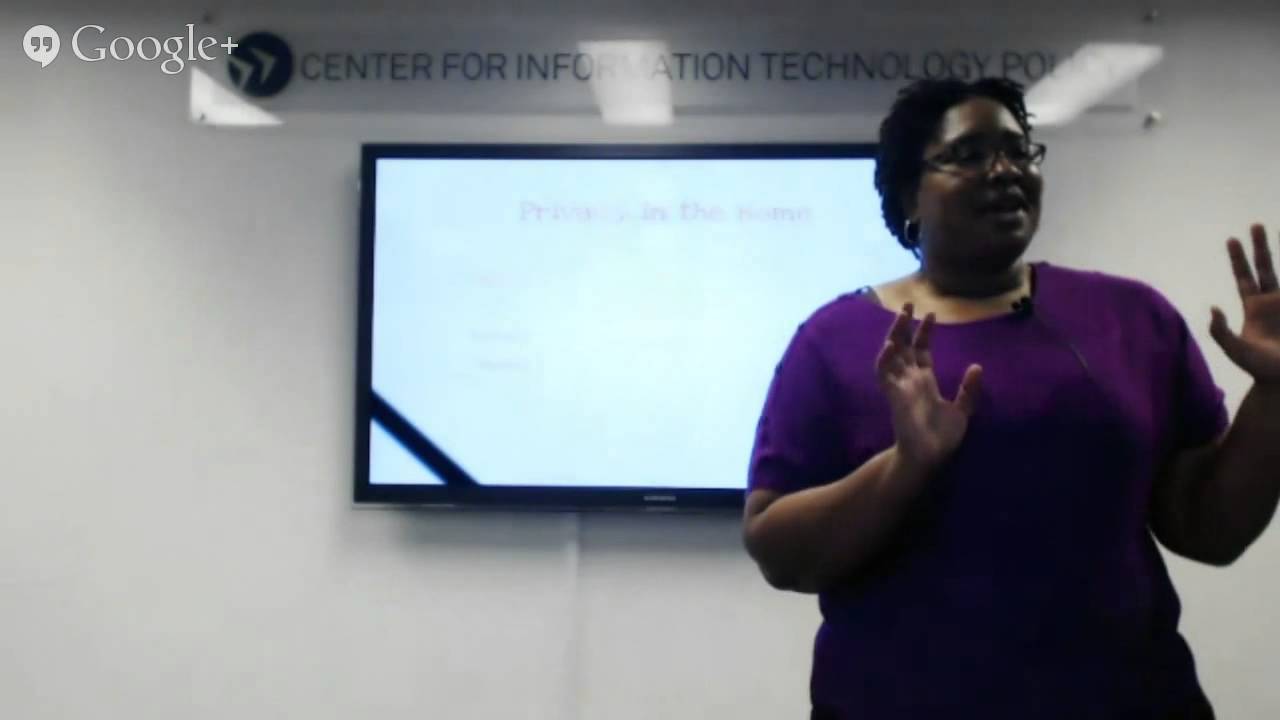
Princeton University Center for Information Technology Policy
This invited lecture examines privacy, data, and governance in networked digital environments. It connects legal theory, technological systems, and real-world policy implications.
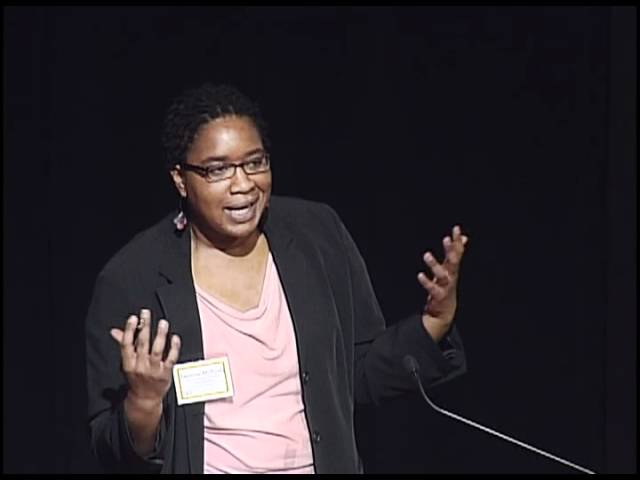
Kentucky University Law Review Symposium, in conjunction with the NKU Chase Law & Informatics Institute 1.3.2
This symposium presentation explores the legal, ethical, and technological dimensions of the right to be forgotten. It examines how privacy, speech, and data retention intersect in networked societies.
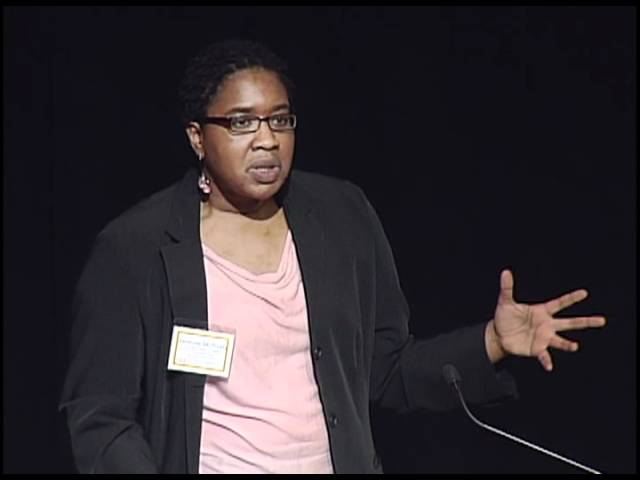
Kentucky University Law Review Symposium, in conjunction with the NKU Chase Law & Informatics Institute 1.3.1
This symposium presentation explores the legal, ethical, and technological dimensions of the right to be forgotten. It examines how privacy, speech, and data retention intersect in networked societies.
Conversations, interviews, and features that explore how technology shapes our everyday lives.
The Emerging Right to Be Forgotten
This article examines early legal debates surrounding the right to be forgotten. It highlights tensions between privacy, free expression, and public interest.
Protecting Your Business Reputation Against the Inside Job
This piece analyzes internal risks to organizational reputation and data security. It focuses on employee access, information control, and governance.
Online Privacy and the Right to Be Forgotten
This article explores emerging debates around online privacy and digital erasure. It connects international legal developments to U.S. privacy frameworks.
Employee Social Media Use Can Affect Small Business Reputation
This piece examines how employee social media activity can impact organizational reputation and liability. It translates media law concepts for small business audiences.
Unpredictable Technologies: The Need for Thick Description in Regulatory Decision-Making
This article argues that regulators must account for social context when evaluating emerging technologies. It emphasizes qualitative understanding alongside technical analysis.
The Hulk, Doxxing, and Changing of Privacy
Using popular culture as an entry point, this piece examines how public exposure and harassment reshape privacy norms. It connects media events to broader legal and ethical concerns.
The Problem of Expecting Privacy on Social Media
This article critiques common assumptions about privacy on social media platforms. It explains why user expectations often clash with platform design and policy.
Finding a Home Online
This piece explores how identity, belonging, and privacy are negotiated in online spaces. It examines what “home” means in networked environments.
Data for Discrimination
This article examines how data collection and classification practices can reinforce discrimination and inequality. It highlights the social and legal consequences of data-driven decision-making.
What Is Doxxing, and Why Is It So Scary?
This piece explains doxxing, its legal implications, and the real-world harms it creates for individuals and communities. It has been widely republished across national and local news outlets.

Trump’s Personal Attorney Has a History of Taking Aim at Reporters’ Anonymous Sources
Insider
|
March 28, 2019
‘It’s Complicated’: Facebook Users’ Fraught Relationship With Social Giant
The Christian Science Monitor
|
December 20, 2018
U.S. Rep. Yoho: Net Neutrality Vote Does Not Pose a Threat to the Internet
WUFT
|
December 14, 2017
Invite me to join your next conversation and help your audience think more deeply about technology.
If you are organizing an event, working on a project, or looking for a speaker who brings a grounded, people-centered understanding of technology policy, I’d love to connect.